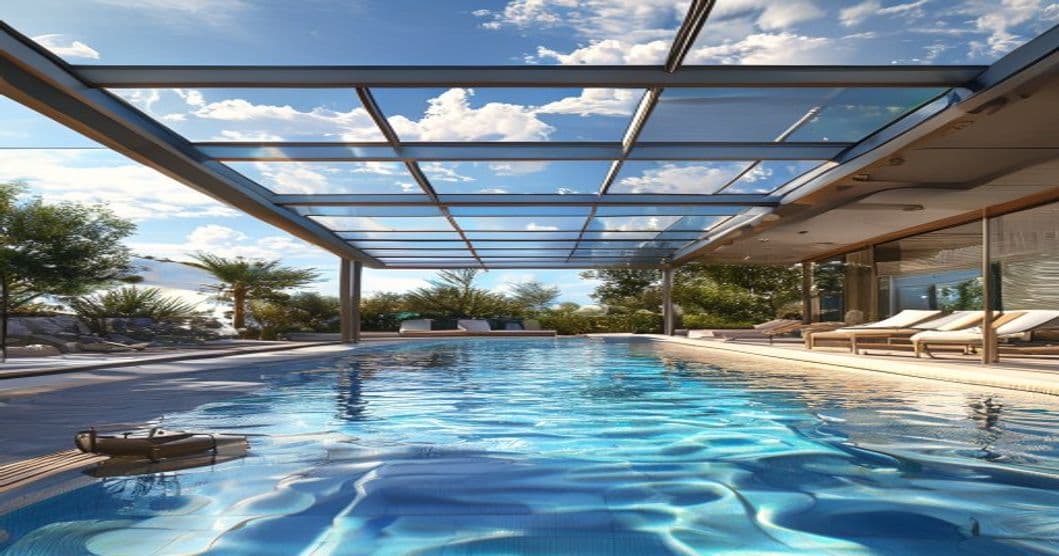
How do motorized sliding roofs improve climate control? Motorized sliding roofs enable passive climate control by utilizing the stack effect to naturally exhaust hot air and reduce reliance on HVAC systems. While often viewed purely as a luxury aesthetic feature, automated retractable roofing systems are powerful tools for energy efficiency in modern architecture.
The Stack Effect and Natural Ventilation
One of the most effective ways to passively cool a large building without relying on heavy air conditioning is the 'Stack Effect' (or chimney effect). Because warm air naturally rises, opening a motorized sliding roof at the highest point of a structure rapidly exhausts hot, stale air, pulling cooler, fresh air in from lower levels. This natural ventilation can lower internal temperatures by 5 to 10 degrees Celsius.
Automating Energy Reductions
By integrating a motorized roof into a Building Management System (BMS), architects can completely automate this process. Environmental sensors detect internal temperature, humidity, and air quality, automatically opening the roof to vent heat during the day or capture cool breezes at night. This automation can reduce a building's overall energy consumption by up to 25%.
The Thermal Insulation Factor
When closed, a Kiran Slido Craft motorized sliding roof acts as a robust thermal and acoustic barrier. Engineered with thermally broken aluminum frames and insulated, double-glazed low-E glass, these systems prevent heat loss in winter and block harmful solar heat gain in summer. A motorized sliding roof is not just a moving ceiling; it is a dynamic, automated valve that helps buildings breathe naturally and sustainably.