
AutomationArchitectureMotorized Systems
The Future of Architectural Automation: Moving Beyond Manual Systems
Kiran Slido Craft Engineering Team•
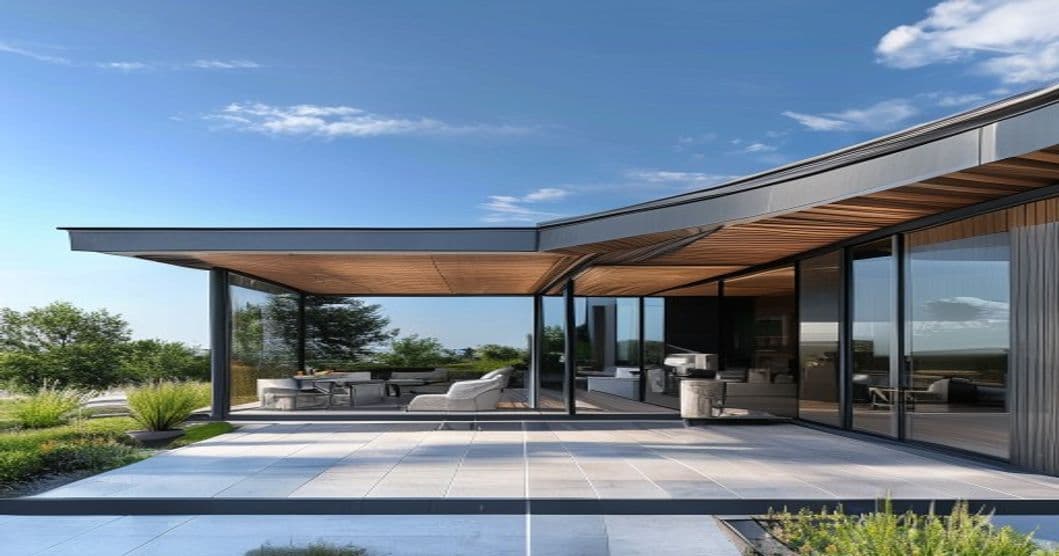
What is architectural automation? Architectural automation involves the integration of high-torque, precision-controlled motorized systems into building elements—like sliding roofs and vertical windows—to create dynamic environments that adapt to environmental needs. Architectural design is no longer just about static structures; it is increasingly about transforming spatial flexibility and luxury.
Dynamic Indoor-Outdoor Spaces
The demand for seamless indoor-outdoor living has driven the development of large-scale automated elements. Motorized sliding roofs and frameless vertical sliding windows allow entire rooms to open to the sky or landscape with the push of a button. These systems instantly alter the natural lighting, ventilation, and climate of the space, reducing reliance on HVAC systems by up to 30%.Engineering Challenges in Automation
Automating heavy architectural elements presents significant structural and mechanical challenges. Professional automation requires:- High-Torque Motors: Systems capable of moving hundreds of kilograms (up to 1,500 kg) of structural glass and steel smoothly and quietly.
- Precision Tracks & Bearings: Infrastructure ensuring zero structural deflection and long-term reliability under continuous load.
- Safety Sensors: Implementing fail-safes, such as infrared optical barriers, to prevent accidents during operation.